
Profitability Insights that Matter: PCM’s Exclusive Field-Level Reports
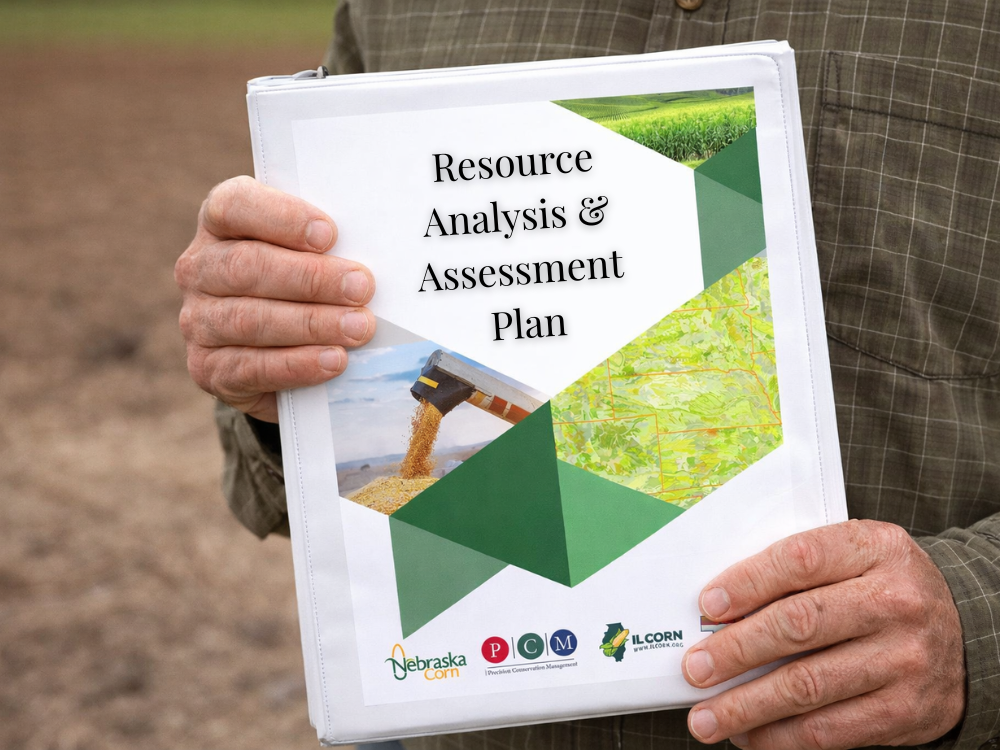
At Precision Conservation Management (PCM), one of the most valuable tools we provide to enrolled farmers is their Resource Analysis and Assessment Plan (a.k.a. RAAP Report). These exclusive PCM reports provide a field-by-field analysis from both a financial and environmental perspective.
They help answer the question every farmer needs to know about their in-field practices: Was it worth it?
What’s in a RAAP Report?
When I sit down to deliver a farmer’s first RAAP Report, I usually tell them:
“This report provides information about your operation that you might not know. It also shows a comparison to other farms and practices in your region.”
As we dig into the report, farmers see that it delivers a side-by-side profitability analysis of tillage, fertilizer use, and conservation practices across your fields and against regional benchmarks. It’s designed to show what’s paying off, what isn’t, and where there might be hidden opportunities to improve margin.
What Happens in an Annual RAAP Delivery Meeting?
RAAP Report meetings start out quiet. We walk through the overview sections like regional trends, benchmarks, etc. But when we get to their fields and start digging into what actually made money last year, things get interesting fast.
That’s when I can stop talking and let the data speak for itself.
Farmers lean in. They start connecting dots between what they tried and what the numbers show. Those “aha” moments are what RAAP reports are all about.
What Surprises Farmers Most?
Without a doubt, it’s the comparison tables. Farmers want to know: “Was it more profitable to strip-till or no-till corn last year?” Oftentimes they’ve been debating whether to keep the strip-till rig or sell it, and this report gives them real numbers to work with.
Cover crop profitability is another popular topic. Most know it’s not always a money-maker, but the report shows whether it’s a loss they can justify considering the soil health benefits they get from it.
Trends in Nitrogen and Time Efficiency
One shift I’ve seen is a growing interest in spoon-feeding nitrogen through fertigation in late June and July. Farmers and agronomists alike are noticing that this approach can save time and increase yields during busy parts of the season. The trend is picking up among progressive growers, and RAAP Reports can help identify the ROI compared to other practices.
The Value Behind the Scenes
What farmers don’t get to see is the time and effort PCM puts into making these reports valuable. Our team spends countless hours each season ensuring the data is clean, accurate, and meaningful because it matters for farmers’ bottom lines.
If you’re on the fence about joining PCM, know this: We’re a nonprofit backed by your state commodity organizations. We’re not here to sell you anything. 100% of PCM farmers intend to keep working with us year after year, whichspeaks volumes about the value we provide.
PCM’s RAAP Report is more than a year-end summary. It’s a tool to help you farm more profitably, more efficiently, and more confidently.
Curious about what your report might reveal? Fill out an interest for to enroll in PCM here.

Darren Cudaback
PCM Specialist, Gothenburg NE